Who funds startups? Every type of investor, explained
A simple map of everyone who puts money into startups — friends and family, angels, syndicates, accelerators, VCs, corporate VCs, grants, crowdfunding, revenue-based financing and banks — and what each one wants.
By Shakir Sajad · 4 min read · Updated 2026-11-19
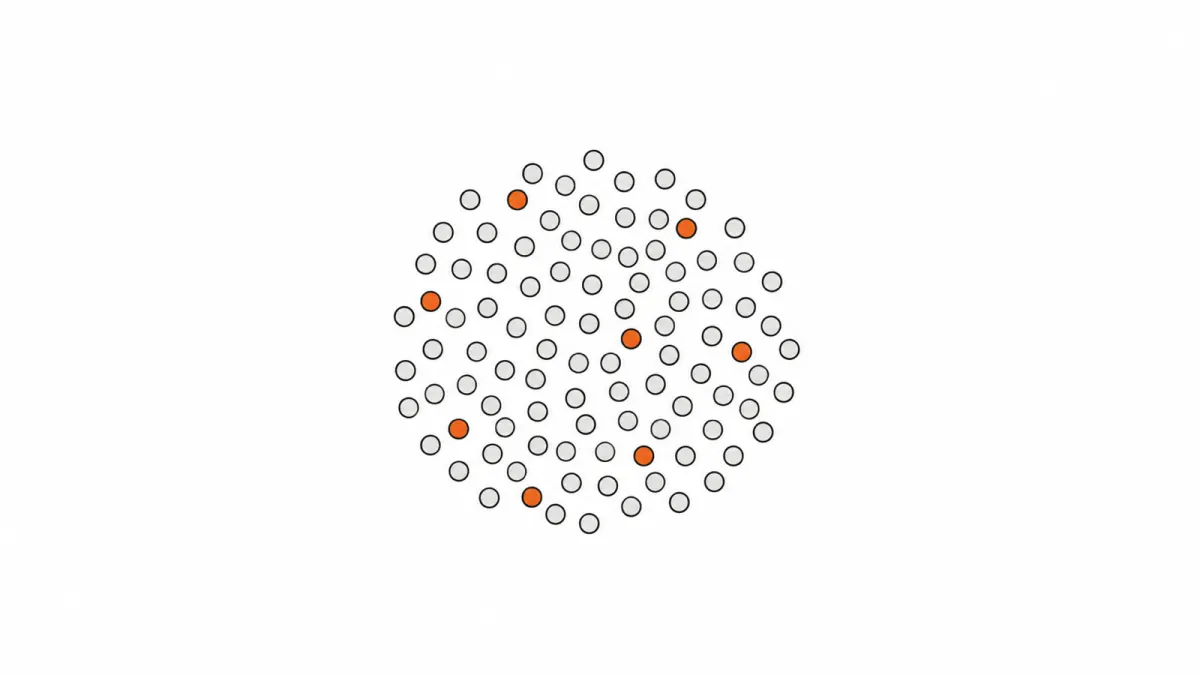
When people say "raise funding", they often picture one kind of investor: a VC in a glass office. In reality, money comes from many places, and most of it is not VC money.
Here's the full map, from the first dollar to the big rounds.
The big table
| Who | Typical stage | What they give | What they want |
|---|---|---|---|
| You (bootstrapping) | Idea → forever | Savings, time, revenue | A business you control |
| Friends & family | Idea | Small amounts | To back you personally |
| Angel investors | Idea → seed | Their own money | A great founder and a big return |
| Angel groups & syndicates | Pre-seed → seed | Pooled money from many angels | Deals they can review together |
| Accelerators | Idea → pre-seed | Money, a program, a network | A small stake in many startups |
| Venture capital (VC) funds | Seed → late stage | Larger rounds | A few companies that become huge |
| Corporate VCs | Seed → late stage | Money plus links to a big company | Strategic value and returns |
| Governments | Idea → early | Grants, loans, schemes | Jobs, research, innovation |
| Crowdfunding | Pre-launch → seed | Many small amounts | A product, perks, or tiny equity stakes |
| Revenue-based financing | Has revenue | Cash repaid from future sales | A share of revenue until repaid |
| Banks | Has revenue or assets | Loans | Repayment with interest |
Now, one by one.
1. You: bootstrapping
Bootstrapping means paying for the startup yourself — from savings, a day job, or early customers.
It's slower. But you keep all of the company and every decision. Many products never need anything else. See bootstrapping vs raising.
2. Friends and family
Often the first outside money. People who trust you put in small amounts.
3. Angel investors
An angel is a person who invests their own money in early startups. Many are former founders or senior people in tech.
In the U.S., most angels must be accredited investors. The SEC defines this using income or wealth tests — for example, net worth over $1 million not counting their home, or income over $200,000 a year (SEC).
Angels mostly bet on you. Full guide: angel investors explained.
4. Angel groups and syndicates
An angel group (or angel network) is a club of angels who review startups together. In India, the Indian Angel Network has been running since 2006.
A syndicate is a group of angels who follow one lead investor into a deal. The lead does the research. Others add money alongside. This lets you raise a larger amount through a single contact.
5. Accelerators
An accelerator is a short, intense program that invests a small amount for a small stake, then helps you grow fast. It usually ends with a Demo Day, where you pitch to investors.
Y Combinator is the most famous one. It invests $500,000 in every company it accepts (YC). Full comparison: startup accelerators, or read the YC hub.
6. Venture capital funds
A venture capital (VC) fund collects money from big investors and invests it in startups. The people who run the fund are called general partners (GPs). The people who give them money are limited partners (LPs) — think pension funds, university endowments and wealthy families.
VCs know most startups will fail. So they need a few companies to become enormous. That shapes everything they ask of you. Read how venture capital works.
7. Corporate VCs
Some big companies run their own venture arms. GV, formerly Google Ventures, is one example. Alphabet is its only limited partner (GV).
Corporate VCs can open doors to partnerships and customers. But think about conflicts. A big company investor may care about its own strategy, not just your success.
8. Governments: grants and schemes
Governments fund startups to create jobs and new technology. The money is often non-dilutive — meaning you don't give up any shares.
- India: The Startup India Seed Fund Scheme offers up to ₹20 lakh as a grant for proof of concept and up to ₹50 lakh for market entry, through approved incubators. Startups must be DPIIT-recognised and incorporated no more than 2 years ago (FITT, IIT Delhi).
- United States: The SBIR and STTR programs, called "America's Seed Fund", give "equity free funding" to small businesses doing research and development (SBIR.gov).
Grants take time to apply for. But the money is close to free.
9. Crowdfunding
Crowdfunding means raising small amounts from lots of people online. There are two main kinds:
| Kind | What backers get | Good for |
|---|---|---|
| Reward crowdfunding | The product or a perk, not shares | Physical and consumer products |
| Equity crowdfunding | A small piece of the company | Products with fans who want to own a slice |
The SBA notes that reward crowdfunders "don't generally receive a share of ownership" (SBA). For equity crowdfunding in the U.S., Regulation Crowdfunding lets a company raise up to $5 million in 12 months, through an SEC-registered platform (SEC).
10. Revenue-based financing and banks
Revenue-based financing gives you cash now. You pay it back as a fixed slice of your monthly revenue until a set total is repaid. You keep your shares. But you need steady revenue to qualify.
Banks lend money that you repay with interest. They rarely lend to brand-new startups with no revenue, because they want to be sure of getting paid back.
How to pick
- No product yet? Your own time, credits, grants, friends and family, or an accelerator.
- Early users, little revenue? Angels, syndicates, accelerators and pre-seed funds.
- Clear growth? VC funds, at seed and then Series A.
- Steady revenue, no wish to sell shares? Revenue-based financing or a bank loan.
New to all of this? Start with what startup funding is, then come back to this map. Every guide lives in the startup funding hub.
Frequently asked questions
Who invests in startups at the very beginning?
Usually the founders themselves, then friends and family, angel investors and accelerators. Venture capital funds tend to come in once there is some proof the product works, although some funds invest at the idea stage too.
What is the difference between an angel investor and a VC?
An angel invests their own money, usually in small amounts. A venture capitalist invests money from a fund that other people put in, usually in larger amounts, and needs a few very big wins to make the fund work.
Can a startup get money without giving away equity?
Yes. Customer revenue, government grants, startup credits, loans and revenue-based financing don't require selling shares. Each has its own costs and rules.
Is crowdfunding a good way to fund a startup?
It can be, especially for consumer products with a strong story. Reward crowdfunding pre-sells your product. Equity crowdfunding sells small pieces of the company to many people and comes with legal limits and paperwork.